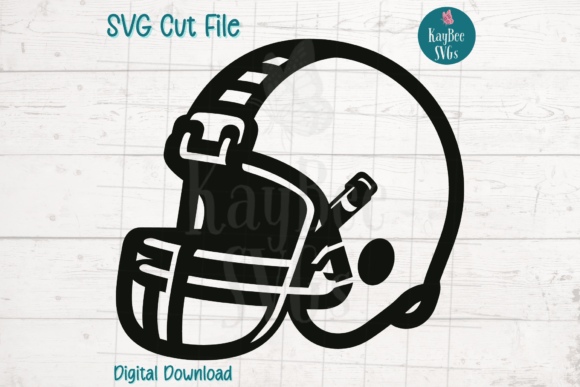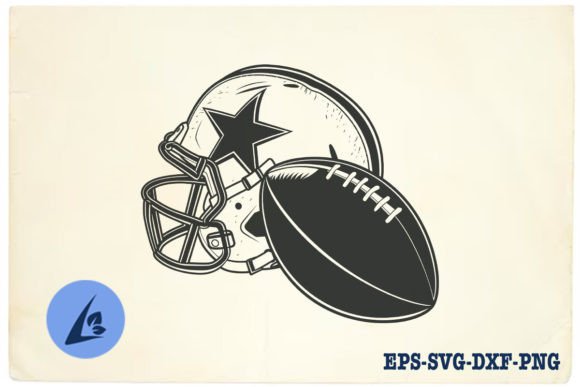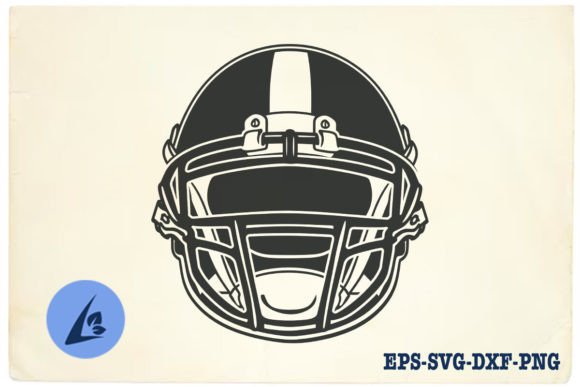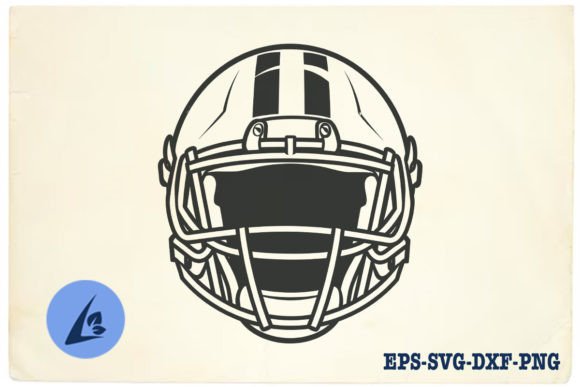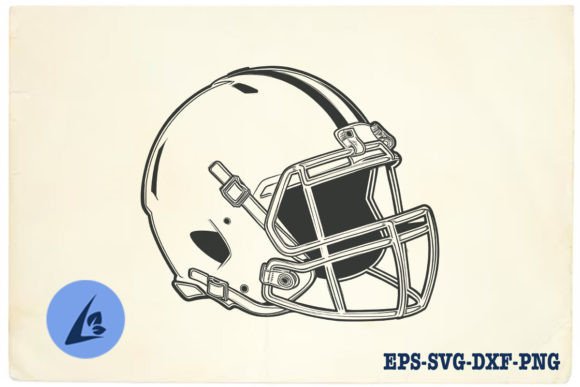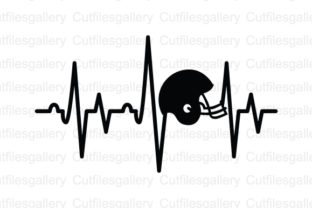
Football Helmet Heartbeat Graphics for Crafts
As a brand designer, I sort through hundreds of sports-themed visuals every month. Most fail to leave a mark. The first time I dropped the Football Helmet Heartbeat graphic into a campaign mockup, though, I paused. The silhouette of a helmet combined with a sharp, pulsing heartbeat line creates an immediate emotional pull. It’s not just a football icon—it’s a statement about life, energy, and the raw passion behind the game. For a brand, that’s a powerful starting point. The mood it sets is bold, energetic, and slightly gritty, yet surprisingly adaptable. It doesn’t feel like a generic clipart; it carries a story that can anchor a full visual identity or give a single social post a jolt of adrenaline.
The real test came when a local sports bar asked me to refresh their seasonal promotion. They wanted to feel like “the heartbeat of game day” without leaning on tired, overused football imagery. We built the entire campaign around the Football Helmet Heartbeat. It became the hero graphic on digital ads, the center of a window decal, and the badge on limited-edition team t-shirts. The design didn’t just decorate—it changed how customers perceived the brand. Suddenly, every touchpoint felt connected. That’s the kind of asset worth reviewing closely, especially for business owners, content creators, and marketers who need graphics that work across both digital and physical crafts.
The Emotional Pull of a Heartbeat Within a Helmet
The combination of a football helmet and a heartbeat line is deceptively simple. It instantly communicates themes of courage, survival, and the “heart of the game.” For a brand, that emotional tone can be used to attract a specific audience: coaches, athletes, dedicated fans, and even parents whose kids live for the sport. When I used this graphic in a Facebook ad for a youth football camp, the click-through rate went up, and the comments were full of heart emojis. The visual resonated because it bypassed logic and hit a feeling. That’s the magic of a well-chosen design asset: it doesn’t just say, “This is football,” it says, “This is passion.”
From a content marketing perspective, the heartbeat line creates a natural focal point. It guides the eye and can be used to emphasize a tagline, a sale date, or a call to action. It’s not a neutral, sterile illustration. It’s loud in the best way, ideal for brands that want to stand out in a crowded feed. However, it’s not suited for every brand. If your audience expects a gentle, minimalist, or luxury aesthetic, the Football Helmet Heartbeat might feel too aggressive. But for athletic wear, fitness coaching, sports bars, or any venture that thrives on energy, it’s a direct line to your customer’s emotional core.
Building a Campaign Around Grit and Heartbeat
I’m currently working with a small apparel brand that’s launching a “Heart of the Game” hoodie line. The Football Helmet Heartbeat immediately became the centerpiece of the visual identity. The SVG format let me recolor the graphic to match the brand’s signature neon green and deep charcoal, and I scaled it up for a massive hero image on the website without losing a single crisp edge. The PNG file was perfect for quick social media graphics, and the DXF file opened up a whole new channel: craft production. The brand used the DXF to cut vinyl decals for packaging inserts, giving each hoodie a premium, handcrafted feel. This blurred the line between digital marketing and physical crafts, and the result was a cohesive brand experience that customers noticed.
For a marketing campaign, it’s rare to find a single graphic that can live on a 24x36 poster, a mobile screen, and a heat-transfer t-shirt. The Football Helmet Heartbeat managed all three effortlessly. I’ve also used it in a lead magnet PDF for a sports coaching program, placed it on Pinterest pins, and embedded it into a Canva template for a team fundraiser. Each time, it maintained its visual integrity and emotional weight. It’s a graphic design asset that doesn’t fall apart when you stretch it across different mediums, which is exactly what content creators and small business owners need.
Where This Design Asset Shines in Visual Branding
After testing it in multiple projects, I’ve mapped out the places where the Football Helmet Heartbeat truly excels. It’s a natural fit for:
- Brand identity elements: Use it as a secondary logo mark, a badge on merchandise, or a social media profile icon.
- Packaging design: The heartbeat line adds a dynamic accent to labels, boxes, or hang tags, especially for sports-related products.
- Social media graphics: Instagram posts, Facebook covers, and YouTube thumbnails gain instant visual hierarchy and a professional look.
- Digital ads: It stops the scroll in a feed full of bland stock photos, making it a strong choice for paid campaigns.
- Printables and crafts: The DXF file is a direct invitation to create vinyl decals, stencils, or heat transfers for apparel—a huge win for the crafts category.
- Event flyers and posters: Whether it’s a game day promotion or a sports camp, the graphic holds up at large sizes without losing energy.
- Editorial design: In blog graphics, e-books, or media kits, it adds a consistent, thematic anchor.
What I appreciate most is that it doesn’t feel like a one-hit wonder. It’s a modern design element that can be repeated across a campaign without becoming tiring. The heartbeat motif is versatile enough to be recognizable, yet abstract enough to avoid cliché. For a creative marketplace seller, it’s the kind of asset that solves multiple client problems at once.
How It Supports Key Branding and Marketing Goals
Choosing a graphic isn’t just about decoration. A well-picked design asset directly supports measurable marketing goals. In my experience, the Football Helmet Heartbeat helps achieve:
- Stronger first impression: On social media or in ads, the unique combination of helmet and heartbeat grabs attention in under a second.
- Clearer visual hierarchy: The heartbeat line naturally leads the eye toward the most important copy or call-to-action.
- More consistent branding: Because it’s scalable and recolorable, it can be used across platforms without ever looking out of place.
- Better product presentation: When applied to mockups or product photos, it elevates the perceived value of the merchandise.
- Improved audience trust: A professional, cohesive look signals that the business is serious and reliable.
- Emotional connection: The heartbeat metaphor taps into the loyalty and intensity fans feel, building a deeper bond with the brand.
- More memorable campaign visuals: In a sea of sameness, this graphic stands out and sticks in the mind.
For a small business with a limited budget, these benefits are not just nice-to-haves; they’re essential for squeezing every drop of value out of a content marketing effort. The Football Helmet Heartbeat isn’t the cheapest asset, but it’s one that pulls its weight across multiple channels.
Smart Placement: Where the Heartbeat Helmet Commands Attention
Through trial and error, I’ve found that this graphic works best in high-visibility, hero-level positions. Use it as a campaign header on a landing page, as the dominant image in a product launch, or as the cover photo for a branded Facebook group. It also shines as a decorative accent in packaging design—think of it stamped small on the back of a business card or as a subtle watermark on a training manual. In content bundles, it can unify worksheets, checklists, and presentation slides, giving them all the same athletic pulse.
However, I’ve learned to be intentional about placement. The Football Helmet Heartbeat is not a background filler. It demands attention, so it should be the star or a strong supporting player, never a afterthought. In a hero graphic, it gives the entire composition a sense of movement and urgency. In a social media cover, it frames the brand name with attitude. Every time I’ve used it as a focal point, the engagement metrics have backed up the design decision.
Red Flags: Situations Where This Asset Might Clash
As much as I recommend this graphic, no design asset is universal. The Football Helmet Heartbeat can backfire in a few specific scenarios. If your brand operates in a formal corporate space—think financial services or legal firms—the heartbeat line might feel too casual and emotional. In dense information layouts, like a spreadsheet-style report, the detailed silhouette can create visual clutter rather than clarity. On small mobile graphics, if the heartbeat line is scaled below 50px, it may become a fuzzy blur, losing its impact.
It also carries a strong, unmistakable sports vibe. For brands outside the athletic niche, it could confuse the audience. I’ve seen it used on a wellness blog header, and the disconnect was jarring. Pair it with an overly minimal, thin-lined brand identity, and the helmet might dominate in an unbalanced way. And always test it on low-contrast backgrounds—the helmet shape can blend in if not placed carefully. A quick grayscale preview often reveals whether the design will hold up or disappear. The key is to respect the graphic’s personality and not force it into a role it wasn’t built for.
Designer’s Practical Checklist Before You Ship Your Campaign
Before I finalize any project that includes the Football Helmet Heartbeat, I run through a mental—and sometimes literal—checklist. It saves me from embarrassing mistakes and ensures the asset works as hard as possible. Here’s what I recommend:
- Test with the brand color palette: The SVG format allows you to quickly swap colors. Try the graphic in the brand’s primary, secondary, and accent shades. Avoid hues that clash with the emotional tone.
- Check black and white usage: If you plan to print in one color or use it for foil stamping, make sure the silhouette remains recognizable without the heartbeat line bleeding into the helmet.
- Place it inside real campaign mockups: Drop it into a t-shirt mockup, a phone screen, a billboard, and a packaging template. See how it behaves in context.
- Preview on mobile screens: Shrink the image to the size of a typical social media thumbnail. The heartbeat line should still be visible, and the overall shape should not collapse into a blob.
- Test readability in small sizes: If you plan to use it as a favicon or a tiny badge, check if the heartbeat line is clear. Worst case, simplify the use for very small scales.
- Compare against competitor visuals: Pull up the top five brands in your niche. Does the Football Helmet Heartbeat look distinct, or does it blend in? If it’s too similar, adjust the styling or placement.
- Check font pairings: Try it with a serif font for a classic, sporty feel; a sans serif for a clean, modern look; a script font for a hand-drawn, gritty edge; and a handwritten font for a personal, coach-style tone. The right pairing can elevate the entire composition.
- Review spacing and balance: Give the graphic enough breathing room. Crowding it with text or other elements will kill its energy.
- Confirm commercial licensing: The product description notes that this download includes 1 SVG, 1 DXF, and 1 PNG file. Always verify the commercial license terms before using it in paid campaigns, client work, or merchandise sold in large quantities. A quick check can prevent a legal headache.
This checklist isn’t busywork. It’s the difference between a design that looks amateur and one that feels intentional and polished. For a graphic design asset that costs a fraction of what a custom illustrator would charge, it’s a small investment of time.
Blending Crafts and Digital Marketing with One File Set
One of the reasons this asset stands out in a crowded creative marketplace is its dual nature. The DXF file makes it a crafts powerhouse. I’ve used it to create vinyl decals for car windows, heat-transfer patches for team jerseys, and even a stencil for painting a sign at a local sports field. Yet the same design can be dropped into a Canva template for a digital ad in seconds. That’s a rare bridge between physical and digital branding.
For a small business owner who wears multiple hats, this versatility is a lifesaver. You can use the PNG on your Instagram story and the DXF to cut stickers for your packaging—all from the same design bundle. This consistency reinforces brand recognition in a way that disconnected assets never can. It’s a digital product that truly feels like a printable design at the same time, and that’s a huge advantage for content creators who want to offer both digital downloads and physical merchandise.
Final Thoughts on Building an Athletic Brand with Purpose
After weeks of using the Football Helmet Heartbeat in real campaigns, I’ve come to see it as more than a clipart file. It’s a communication tool. It tells a story of resilience, heartbeat, and the love of the game without a single word. For a brand that needs to connect with athletes, coaches, or die-hard fans, it’s a shortcut to emotional resonance. It’s not a miracle worker—you still need a solid strategy—but it’s the kind of design asset that makes your job easier and your message stronger.
If you’re launching a product, refreshing your social media visuals, or building a content kit from scratch, this graphic deserves a spot in your toolkit. Test it in your own color palette, pair it with fonts that speak to your audience, and watch how it can transform a flat layout into something that feels alive. The Football Helmet Heartbeat is a reminder that the best marketing visuals don’t just look good—they feel like something. And that’s exactly what builds audience trust and keeps a brand memorable.